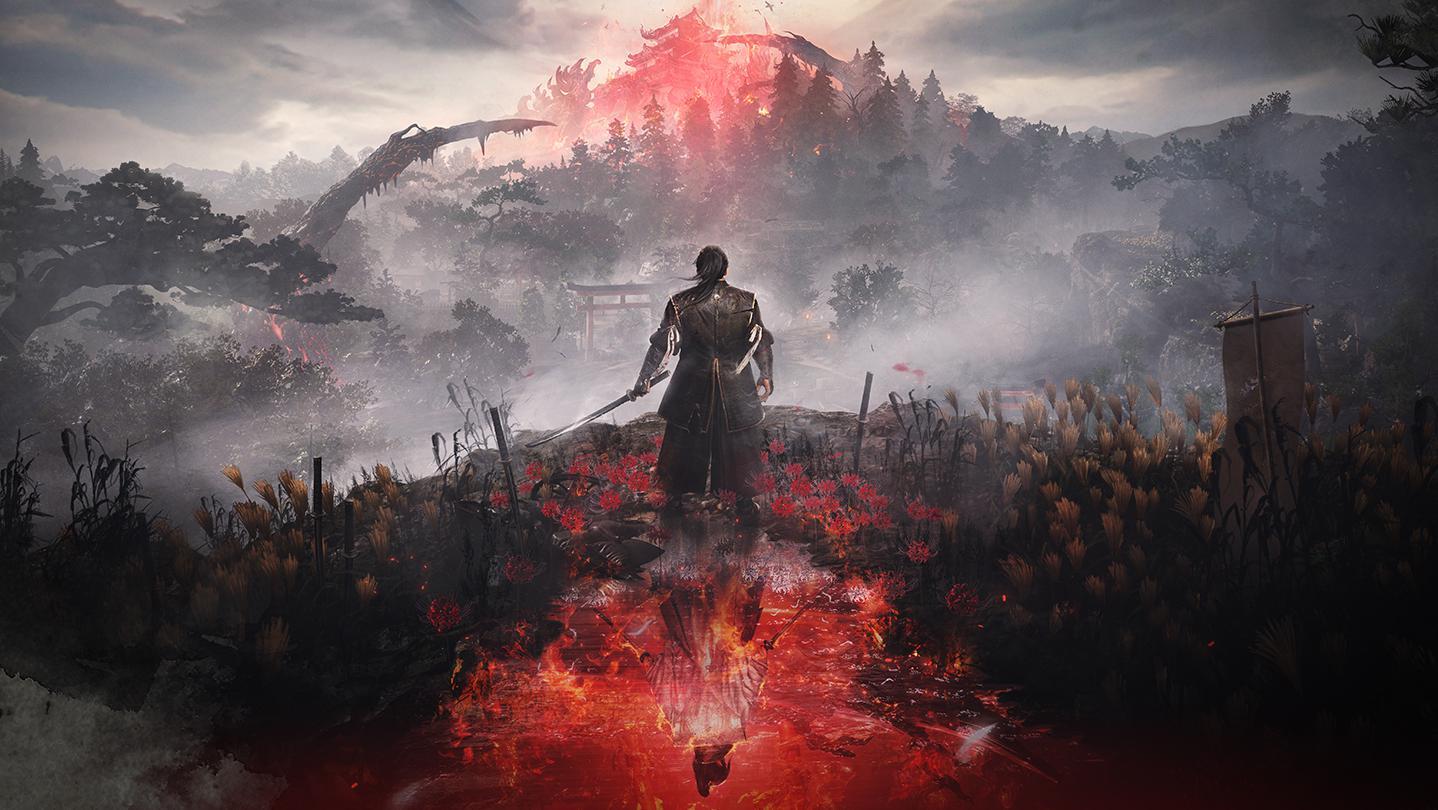

Ghost of Tsushima is a sprawling action-adventure that transports players to the Mongol-invaded landscapes of 13th-century Japan. This title has been celebrated as a stunning tribute to Japanese cinema, offering a refined blend of tactical swordplay and atmospheric exploration that serves as a powerful farewell to the PlayStation 4 era.
Introduction to the Game
Developed by Sucker Punch Productions, the studio known for the Infamous series, this game represents a significant evolution in their approach to open-world design. Set during the first Mongol invasion of Japan, it was originally released in 2020 for the PlayStation 4 and has since expanded to PC and PlayStation 5. The game is notable for its commitment to historical atmosphere, drawing heavy inspiration from the chambara (sword fighting) films of legendary director Akira Kurosawa.
Story and Setting
The narrative begins in 1274, as the Mongol Empire launches a brutal assault on Tsushima Island. The protagonist, Jin Sakai, is one of the few samurai to survive the initial slaughter at Komoda Beach. His primary mission is to liberate the island and rescue his uncle and mentor, Lord Shimura, who is held captive by the cunning and ruthless Khotun Khan.
As the war progresses, Jin realizes that the rigid, honorable code of his upbringing is insufficient to defeat an enemy that does not follow the same rules. This leads to a central internal conflict: Jin must decide whether to remain a traditional warrior or embrace the identity of the “Ghost,” a legendary figure who uses stealth and terror to dismantle the Mongol forces.
Gameplay Mechanics
The gameplay is divided between intense melee combat and tactical infiltration, allowing players to choose how they approach the invasion.
The Lethal Combat System
Combat in Ghost of Tsushima revolves around the katana and rewards precision over aggression. Players must master parries and dodges to survive, as even late-game enemies can kill Jin in just a few strikes if he is careless. Successfully timing blocks and strikes builds Resolve, a resource used for performing devastating special techniques or for healing during the heat of battle.
Strategic Combat Stances
To deal with varied enemy types, Jin unlocks four distinct stances: Stone, Water, Wind, and Moon. Each stance is specifically designed to break the defenses of certain enemies, such as those wielding shields, spears, or heavy weapons. Switching between these stances dynamically during a fight is essential for maintaining the flow of battle and overcoming the Mongol hordes.
The Path of the Ghost
When stealth is required, Jin utilizes a variety of tools including kunai (throwing knives), smoke bombs, and black powder bombs to distract and assassinate foes from the shadows. This “unconventional” warfare allows Jin to take down entire Mongol camps without ever being spotted, though it often draws the disapproval of his traditionalist allies who value face-to-face confrontation.
Characters and World
The island of Tsushima is designed to be a “living painting” rather than just a backdrop.
Supporting Cast and Tales
Jin is aided by a diverse cast of allies, each with their own multi-chapter storylines known as “Tales”. These include Lady Masako, a vengeful matriarch of the Adachi clan; Yuna, a clever thief; and Norio, a warrior monk struggling with the horrors of war. These side stories provide emotional depth and explore the human cost of the invasion beyond the main conflict.
Contemplative Exploration
The world encourages players to slow down and appreciate the scenery through various side activities. Players can find quiet spots to compose haiku, reflect on recent events in hot springs to increase maximum health, or follow foxes to Inari Shrines to unlock powerful charms that enhance Jin’s abilities.
Game Length and Content
Ghost of Tsushima offers a substantial amount of content for open-world enthusiasts. A focused playthrough of the main campaign typically takes between 20 and 25 hours. However, players who engage with the companion tales, Mythic Tales, and extensive exploration can expect to spend between 40 and 70 hours in the game. The Mythic Tales are particularly noteworthy; they task Jin with uncovering legendary gear through quests narrated by traveling bards and are presented with unique ink-brush cutscenes.
What Makes the Game Unique
One of the most innovative features is the Guiding Wind. To minimize on-screen clutter and keep players immersed, the game uses gusts of wind to point toward objectives instead of a traditional mini-map or compass. Additionally, golden birds act as natural indicators of nearby secrets, rewarding players who pay attention to the environment.
For fans of cinema, the Kurosawa Mode transforms the game into a black-and-white experience with film grain and audio filters that mimic 1950s samurai movies. This stylistic choice, combined with the diegetic UI, makes the game one of the most visually distinctive titles of its generation.
Conclusion
Despite some criticisms regarding its traditional open-world structure, Ghost of Tsushima is widely regarded as an exceptional achievement. It successfully bridges the gap between high-octane action and a melancholic, character-driven story. By combining a deep reverence for Japanese culture with a fluid combat system, it stands as a memorable epic that honors the legacy of the samurai while forging its own unique path.
Frequently Asked Questions
Is Ghost of Tsushima too difficult?
The difficulty is “appropriate” and “fair”. Unlike many RPGs, the game does not rely on traditional level-based stat progression where enemies become “bullet sponges”. Instead, as you progress, you unlock new techniques and stances that give you better ways to deal with tougher enemies. Even on Hard Mode, the challenge is described as manageable because the “lethality of the sword” remains consistent.
How long does it take to beat Ghost of Tsushima?
The playtime varies based on how much side content you engage with. Completing just the main story takes approximately 20–25 hours. If you choose to explore the side quests (the “Tales of Tsushima”), the time increases to around 40+ hours. For completionists looking to find every collectible and finish every task, the game can take 70+ hours.