After years of perfecting the action-RPG formula through titles like Wo Long: Fallen Dynasty and Rise of the Ronin, Team Ninja has finally returned to its flagship series with Nioh 3. Released on February 6, 2026, this sequel isn’t just a simple iteration; it’s a massive expansion of the “Masocore” genre that the studio helped define. By blending the surgical precision of its predecessors with a new “open field” structure, the game manages to feel both intimately familiar and grander in scale than ever before. It is a confident, bloody, and deeply rewarding adventure that sets a new high bar for the genre.
A Journey Through the Eras: Story and Setting
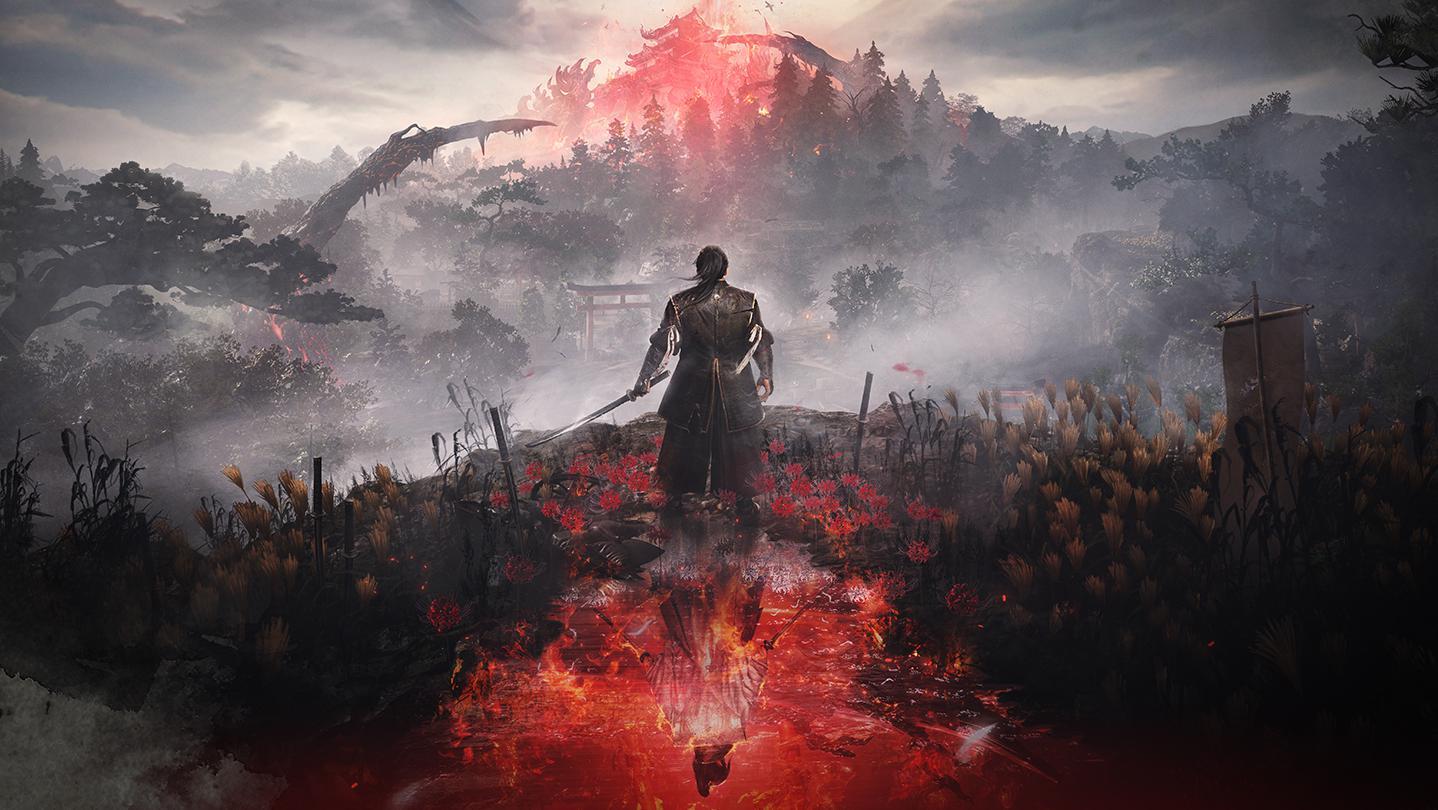
Unlike the relatively contained maps of previous entries, Nioh 3 takes players on a sprawling journey across multiple historical periods of Japan. The narrative acts as a dark, folkloric retelling of history, where the boundary between human conflict and supernatural horror is nonexistent. You will find yourself navigating the bustling streets of the Edo period, the war-torn landscapes of the Warring States (Sengoku) era, the elegant but eerie snow-covered Kyoto of the Heian period, and the transformative Bakamatsu era.
Each of these four independent maps serves as a distinct visual and atmospheric world. One moment you are trekking through the vibrant red and amber forests of the Sengoku period, and the next you are witnessing the giant Daidara Bocchi—a creature of legend—emerging from the waves. The environmental storytelling is enriched by a blend of authentic history and terrifying Yokai mythology, creating a world that feels alive, dangerous, and steeped in ancient mystery.
Mastery of the Blade: Gameplay Mechanics
The core of the experience remains its combat, which is arguably the most refined in the industry. The most significant innovation is the Style Shift system, which effectively gives you two different characters in one.
The Samurai and the Ninja
At the press of a button, you can swap between the Samurai style and the Ninja style.
- Samurai style is the classic experience: it focuses on heavy defense, stance-switching (High, Mid, and Low), and the iconic Ki Pulse mechanic to manage stamina. It introduces the Arts Gauge, which rewards aggressive play by allowing you to unleash devastating Martial Arts without consuming Ki.
- Ninja style completely alters the rhythm. It sacrifices defense for extreme mobility and replaces the Ki Pulse with the Mist mechanic—a perfectly timed dash that grants temporary invulnerability. This style utilizes faster weapons like tonfas, splitstaves, and claws, and allows for the constant use of Ninjutsu tools like shrapnel bombs and pinwheel shurikens, which are replenished by landing successful melee hits.
Verticality and the Jump Button
The introduction of a dedicated jump button has fundamentally changed how levels are navigated. Levels are no longer just horizontal paths; they are dizzying puzzles of verticality. You can now scale rooftops to scout for ambushes, launch devastating plunging attacks, or find hidden paths that were previously inaccessible. This added mobility makes the combat feel more three-dimensional and encourages a much more creative approach to every encounter.
A World Infested with Demons: Characters and World
The inhabitants of this “open field” are as varied as the landscapes themselves. You will face off against demonic farmers, cavalry riding headless horses, and giant, anthropomorphic bats. The boss fights are the true centerpiece, designed as high-stakes duels that demand mastery of the Style Shift to parry unblockable attacks or dodge lightning-fast combos.
Exploration is heavily rewarded through the discovery of various spirits and collectibles. You’ll spend hours tracking down Kodama to boost your healing elixirs, trading with the mischievous Sudama, or shooting down the elusive Chijiko from the sky to unlock new skills. The world is also dotted with Benevolent Graves, allowing you to summon the “ghosts” of other players to assist you in battle, a vital feature given the game’s steep challenge.
Content for the Dedicated: Game Length and Content
For those looking to see everything, Nioh 3 is a staggering package. A completionist run can easily take upwards of 100 hours, including secret bosses and the highly difficult Crucibles. The game features 14 melee weapon types, each with its own deep skill tree and customizable movesets.
The developers have also listened to feedback regarding “loot fatigue.” New quality-of-life features allow you to automate the management of your inventory. You can set the game to auto-pick up only items of a certain rarity and automatically dismantle or sell lower-tier gear. This ensures that you spend more time in the heat of battle and less time min-maxing in menus.
What Makes Nioh 3 Unique
While many compare it to other open-world titles, this game carves out its own identity by being “all killer, no filler.” The open field design avoids the emptiness of traditional open worlds by stitching together densely packed, curated areas. It doesn’t lose the tight, mission-focused feel that fans love; it simply gives those missions more room to breathe.
The addition of the Living Artifact transformation (a powered-up evolution of the Yokai Shift) and the ability to respec your character for free at any time means that the game encourages experimentation. It is a technical masterpiece where the “rhythm-action” flow of switching between Ninja and Samurai styles creates a combat experience that is unrivaled in its complexity and satisfaction.
Conclusion
Nioh 3 is a triumphant culmination of everything Team Ninja has learned over the last decade. It manages to be more approachable thanks to its flexible “open field” structure, yet it remains a brutally tough test of skill for veteran players. With its incredible variety of weapons, deep customization, and a world that feels both haunting and beautiful, it is an essential experience for any fan of the genre.
——————————————————————————–
Frequently Asked Questions
Is Nioh 3 going to be hard?
Yes, Nioh 3 maintains a “punishing difficulty” and is described as “brutally tough.” Even minor enemies can wipe out a player quickly if they are careless. However, the game is arguably more approachable than previous entries because of its “open field” design; if a boss is too difficult, players can explore other regions, complete side quests, and return once they have leveled up and found better equipment.
Is Nioh 3 like Elden Ring?
While both are open-world “Soulslikes,” Nioh 3 differs in structure. Instead of one seamless world, it features four large, independent, and visually distinct maps. Reviewers note that while it echoes recent Soulslike developments, it is a “curated and focused” experience with less “filler” or empty space than a traditional open world. Additionally, its combat is more fast-paced and technical, emphasizing stance-switching and rhythmic timing over the slower pace of FromSoftware titles.
Will Nioh 3 be a PS5 exclusive?
No, Nioh 3 is not a PS5 exclusive. It is available on both PlayStation 5 and PC. There is even a demo available on Steam, and reviewers tested the game on high-end PC hardware.
What is the “Style Shift” combat system?
This new system allows players to instantly switch between two distinct playstyles at the press of a button: Samurai and Ninja.
- Samurai style is the classic Nioh experience, focusing on guarding, three distinct combat stances, and the “Ki Pulse” mechanic to recover stamina.
- Ninja style is faster and more fragile, emphasizing dodging and “Mist” (a brief moment of invulnerability) instead of the Ki Pulse.
How does exploration work with the new “Jump” button?
For the first time in the series, there is a dedicated jump button, which adds significant verticality to the levels. This allows players to explore rooftops, launch aerial ambushes, and navigate more complex environments, though it also introduces the risk of falling to one’s death during combat.
How has the loot system been improved?
To manage the “mountains of loot” typical of the series, Team Ninja added quality-of-life settings that allow the game to auto-pick up or automatically dismantle/sell items based on a rarity level of your choosing. This significantly reduces the time players spend in menus.
Does the game feature multiplayer?
Yes, Nioh 3 supports co-op for up to three players. Players who prefer playing solo but still need assistance can interact with Benevolent Graves to summon “player ghosts”—AI-controlled versions of other players—to help in battle.
What historical periods does the game cover?
The story journeys through several eras of Japanese history, including the Edo, Warring States (Sengoku), Heian, and Bakamatsu periods. Each area features unique aesthetics, such as the vibrant flora of the Sengoku period or the heavy snowfall of Kyoto during the Heian era.
Can I reset my character’s stats?
Yes, the game allows you to respec (reset and remix) your stats and skills for free as often as you like. This encourages players to experiment with all 14 melee weapon types and find a build that suits their preference