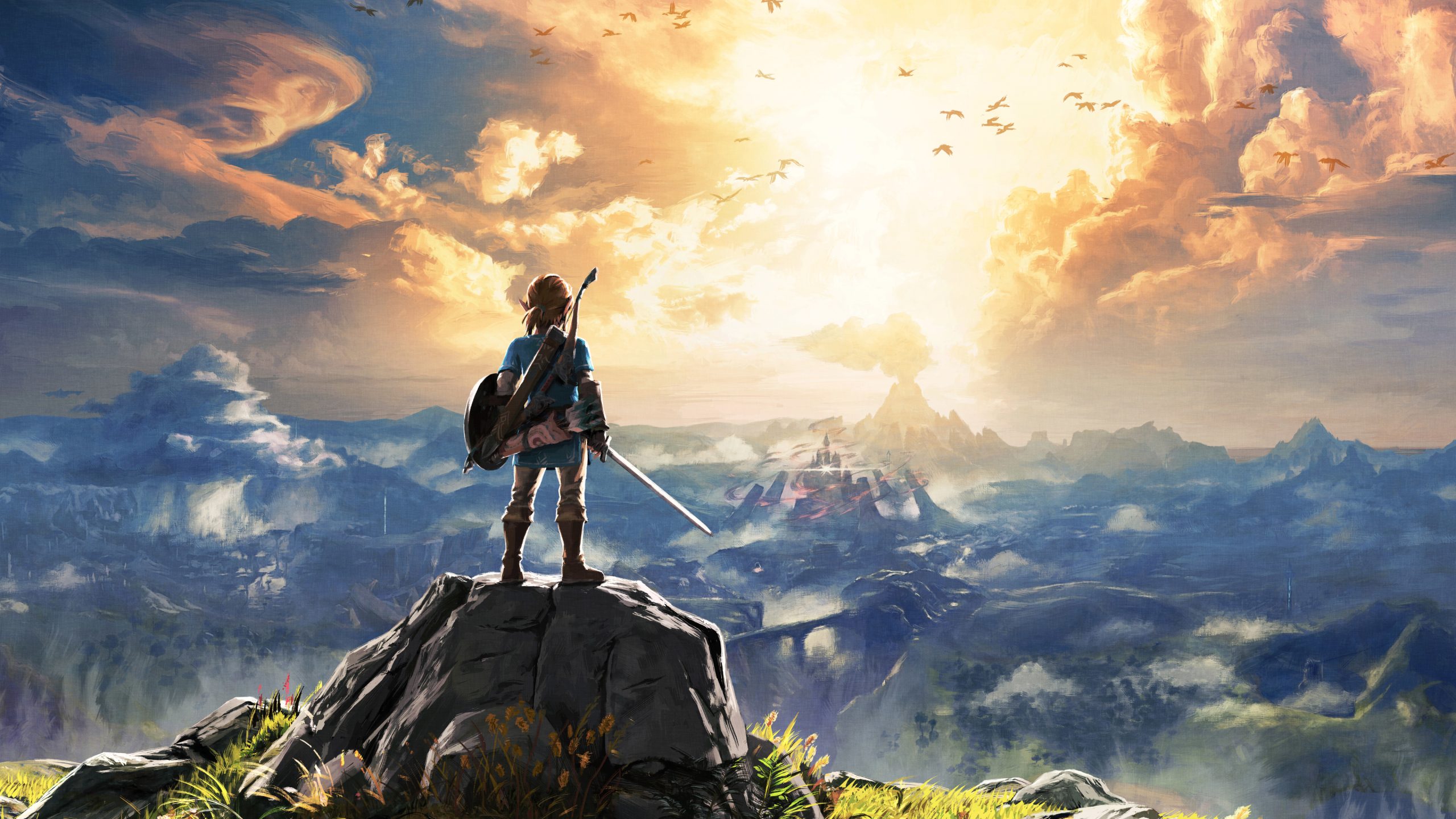
The Legend of Zelda: Breath of the Wild is not just a video game; it is a monumental shift in interactive entertainment. Released in 2017 as a launch title for the Nintendo Switch and a final masterpiece for the Wii U, it completely reinvented a thirty-year-old franchise. By stripping away decades of rigid conventions, Nintendo created a vast, systemic world that prioritizes player curiosity above all else, earning its reputation as a “masterclass in open-world design”.
Introduction to the game
Developed by Nintendo under the guidance of legendary figures like Shigeru Miyamoto and Eiji Aonuma, Breath of the Wild represents the nineteenth installment in the iconic series. It arrived at a critical moment for the company, serving as the bridge between two console generations. The game departed from the traditional “Zelda formula” of linear dungeons and item-gated progression, opting instead for a “totalizing” experience where the player is truly free. Upon its release, it was met with near-universal acclaim, praised for its innovative approach to exploration and its breathtaking artistic direction.
Story and setting
The narrative begins with a sense of profound mystery. Link, the protagonist, awakens from a century-long slumber in a technological tomb known as the Shrine of Resurrection. He has no memory of his past or the world around him. Guided by a mysterious female voice, he emerges to find a Hyrule that has been reclaimed by nature after a catastrophic event.
A century prior, a malevolent force known as Calamity Ganon laid waste to the kingdom. Though the beast was eventually trapped within the walls of Hyrule Castle, it continues to grow in power, threatening to break free and complete its destruction. The kingdom itself is a beautiful but melancholy ruin, featuring diverse biomes that range from the flower-filled plains of Necluda to the boiling volcanic heights of Death Mountain and the perennially autumnal forests of Akkala.
Gameplay mechanics
At the heart of the experience is a profound sense of agency. Unlike previous entries, the game does not hold the player’s hand. Once the initial tutorial on the Great Plateau is complete, the entire world is accessible.
Exploration and the Open World
The world of Hyrule is designed to be climbed, crossed, and conquered. A central pillar of the gameplay is the stamina system, a circular gauge that dictates how far Link can run, how long he can swim, and how high he can climb. Almost any vertical surface—from the side of a mountain to the walls of a castle—can be scaled as long as the player manages their energy effectively. To navigate this massive space, players can find and tame wild horses, or use the Paraglider, a portable sail that allows for graceful descents from high peaks.
The Power of the Sheikah Slate
Early in the journey, Link acquires the Sheikah Slate, an ancient multipurpose device that serves as the player’s primary toolset. The slate provides several “Runes” that grant supernatural abilities:
- Magnesis: Allows for the manipulation of metallic objects using magnetic force.
- Stasis: Freezes objects in time, allowing players to build up kinetic energy that is released once time resumes.
- Cryonis: Creates sturdy pillars of ice from bodies of water, useful for crossing rivers or reaching hidden areas.
- Remote Bombs: Both spherical and cubic explosives that can be used for combat or environmental destruction.
Combat and Survival
Combat in Breath of the Wild is dynamic and often dangerous. Players must scavenge for weapons, ranging from simple wooden clubs to elegant Zora tridents. A controversial but core mechanic is weapon durability; every sword, bow, and shield will eventually break with use, forcing players to constantly adapt and try new gear.
Survival also requires a mastery of the environment. Players no longer find hearts or currency in cut grass. Instead, they must hunt animals for meat and forage for herbs and mushrooms. These ingredients can be thrown into a cooking pot to create meals and elixirs that provide temporary benefits, such as extra health, increased speed, or resistance to extreme temperatures.
Characters and world
While much of the world is empty of human life, Link encounters various vibrant cultures that have survived the Calamity. These include the aquatic Zora, the avian Rito, the desert-dwelling Gerudo, and the rocky Goron. Throughout the world, Link also encounters Koroks, small forest spirits who hide in clever locations, rewarding observant players with seeds used for inventory expansion.
The relationship between Link and Princess Zelda is explored through “Recovered Memories”—fragments of the past scattered across the landscape. These cinematic moments provide context for the fall of the kingdom and the deep bond between the two heroes, painting a more intimate picture of their struggle against Ganon.
Game length and content
Breath of the Wild is a massive undertaking. For those focusing solely on the main quest and the final confrontation with Ganon, the journey takes roughly 40 hours. However, the game is designed for the completionist. There are over 100 Shrines of Trials scattered across the map—small, ancestral puzzles that test the player’s logic and mastery of the Sheikah Slate. Completing these shrines earns Link emblems that can be traded for increased health or stamina. For players aiming to find every collectible, solve every side quest, and uncover every secret, the playtime easily exceeds 100 to 120 hours.
What makes the game unique
The true genius of the game lies in its “chemistry engine.” This is a set of logical rules that govern how the world reacts to the player. For example, rain makes surfaces slippery and harder to climb, while lightning storms are attracted to metallic armor, forcing the player to unequip their best gear or risk a deadly strike. Fire creates updrafts that can be used with the Paraglider, and wooden weapons can be lit on fire to create makeshift torches or deal extra damage.
This systemic approach allows for emergent gameplay, where players can solve puzzles and defeat enemies in ways the developers may never have specifically scripted. This freedom, combined with a minimalist orchestral score and a painterly art style that makes every frame look like a work of art, creates a unique sense of atmospheric immersion.
Conclusion
The Legend of Zelda: Breath of the Wild is more than just a successful entry in a long-running series; it is a revolutionary title that changed the landscape of open-world gaming. By trusting the player to explore, experiment, and find their own path, Nintendo created a world that feels truly alive and unpredictable. Whether you are a long-time fan of the series or a newcomer, the journey through the ruins of Hyrule is an unforgettable adventure that sets a new standard for what a video game can be.
Frequently Asked Questions
What is the estimated playtime for a full experience?
Completing the primary narrative and defeating the final boss typically requires approximately 40 hours. However, for those aiming to uncover every secret, the game is a massive undertaking; completing all side quests, finding every collectible, and solving every puzzle shrine is estimated to take over 100 hours. Even after 50 hours of gameplay, many will find that numerous mysteries and puzzles remain to be solved.
Is there a version available for the Nintendo Switch 2?
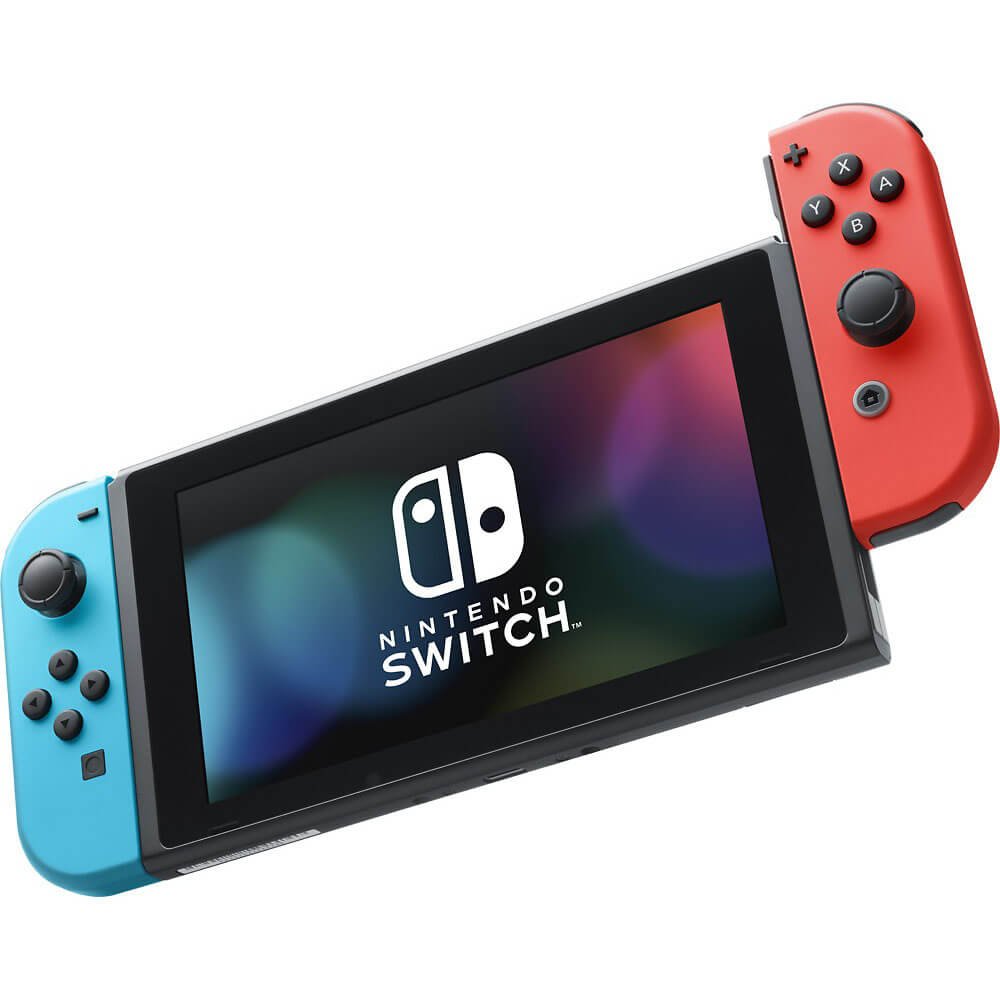
Yes, current information and visual data indicate the existence of a Nintendo Switch 2 Edition of the game. This ensures that the title continues to be accessible on Nintendo’s next-generation hardware.
How does this title compare to its successor, Tears of the Kingdom?
While both are considered top-tier experiences, this game is frequently celebrated as a “masterclass in open-world design” and a “watershed” title for the industry. It is specifically noted for its uncompromising freedom, allowing the player to travel in any direction and climb almost any surface from the very beginning. Many critics feel this lack of restriction creates a purer survival sandbox compared to its contemporaries.
How does the weapon durability system affect the game?
The game features a system where weapons and shields break regularly with use. This is a deliberate design choice implemented to prevent gameplay imbalance in a totally open world. By making gear temporary, the game encourages the player to constantly adapt their strategies and experiment with the wide variety of equipment found throughout Hyrule.
What are the primary functions of the Sheikah Slate?
The Sheikah Slate is the player’s essential multipurpose tool, acting as a map, binoculars, and a vessel for various magical “Runes”. These Runes—such as Magnesis for moving metal, Stasis for freezing time, and Cryonis for creating ice—are fundamental to solving the puzzles found within the world’s many shrines and dungeons. It can even be upgraded with a radar to help track specific items or locations.
What is the purpose of the Shrines found throughout Hyrule?
Shrines serve as condensed puzzle chambers that test the player’s logic and mastery of game mechanics. Completing a shrine rewards an emblem; once four are collected, they can be traded to increase either the player’s maximum health or their stamina. Increasing stamina is particularly vital, as it governs the ability to run, swim, and climb the kingdom’s vast terrain.
How do survival and weather systems influence exploration?
In a departure from series tradition, health is not recovered by finding hearts in the grass; instead, players must forage and cook meals or elixirs to survive. Furthermore, the environment is highly reactive; rain makes surfaces slippery and difficult to climb, while lightning is naturally attracted to metallic equipment, forcing the player to manage their gear based on the current forecast